The Entry Point
The Case Review
A complete blood chemistry panel, interpreted in functional ranges and read as a single pattern rather than marker by marker. You receive a written Report of Findings and a one-on-one session with Dr. Jonson to walk through what it shows.
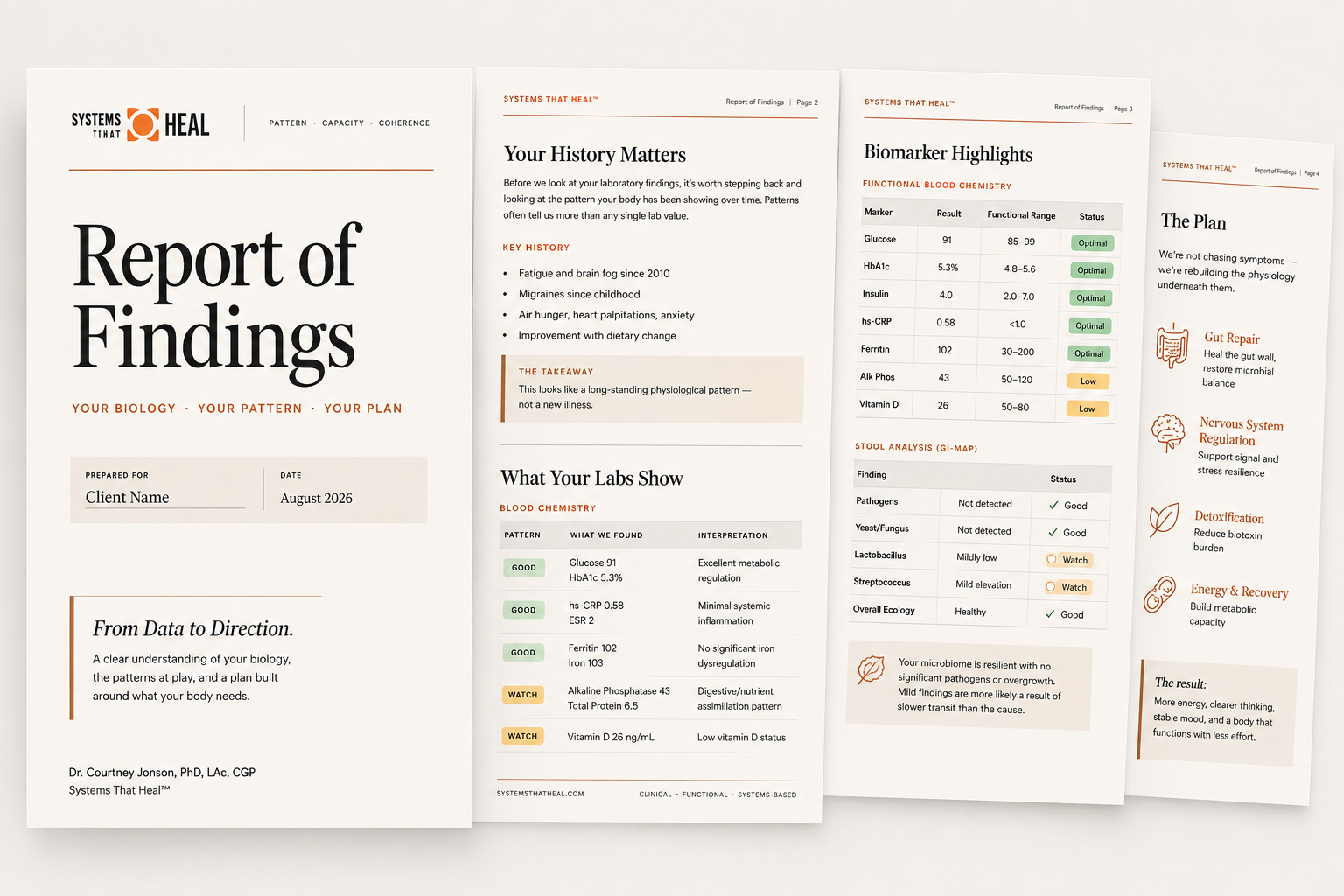
Every client receives a written Report of Findings — their history, what the panel shows, the biomarker highlights in functional ranges, and the plan built around them.
01
The Gap
Conventional ranges are built to detect disease, not to explain dysfunction.
Standard lab ranges are built from a population of people who are already sick. They are designed to answer one question — is there disease here yet? Until your numbers cross that line, there is officially nothing to treat. And once they cross it, the tools are usually pharmaceutical, and sometimes surgical. That leaves a long, unattended stretch of years where your physiology is drifting and you can feel it, but nothing on paper says so. That stretch is exactly where functional blood chemistry works.
| The Conventional Approach | Our Systems Approach |
|---|---|
| Ranges are drawn from a sick population, so 'normal' only means 'not diagnosable yet.' | Narrower functional ranges show drift years before it becomes pathology. |
| Intervention is warranted once a diagnosis exists — not before. | Intervention starts at the mechanism, while it's still reversible. |
| The tools at that point are medication, and in some cases surgery. | The tools are food, sequencing, nervous-system regulation, and targeted repair. |
| One marker at a time, one specialist per symptom, no one connecting them. | Markers are read as relationships — the pattern is the finding. |
| Testing is built to rule out disease, not to explain why you feel unwell. | Gut, immune, metabolic, and nervous systems are read as one conversation. |
The Governing Principle
Regulation Precedes Repair™. Before anything is corrected, we figure out what your body is protecting — and the order in which it can safely let go.
02
Functional Blood Chemistry Analysis
Pathological Range vs. Functional Range
There are two sets of ranges in blood chemistry. The pathological range — the one printed on your lab report — is used to diagnose disease. The functional range is tighter, and it is used to assess where function is drifting before disease develops. A result can sit comfortably inside the lab range and still sit well outside the range where the body actually works well.
That gap is where most people live for years. Not sick enough to be diagnosed, not well enough to feel like themselves. Reading your panel in functional ranges — and reading the markers against each other rather than one at a time — is what turns a page of numbers into a pattern.
Routine Blood Test
How It Is Reported
A routine blood test reports any result inside this range as normal.
The Question
But are these three results really the same?
Functional Blood Test
What The Functional Range Adds
The functional range narrows the window. It shows where function is drifting years before a result becomes abnormal.
| Marker | Standard Lab Range | Functional Range | What The Gap Suggests |
|---|---|---|---|
| TSH (mIU/L) | 0.40 – 4.50 | 1.8 – 3.0 | A 4.2 is reported as normal and sits well outside the functional range. |
| Fasting glucose (mg/dL) | 65 – 99 | 85 – 99 | A result under 85 may reflect unstable glycemic control rather than good control. |
| Triglycerides (mg/dL) | under 150 | 75 – 100 | Points toward carbohydrate handling long before a lipid diagnosis exists. |
| MCV (fL) | 80 – 100 | 85 – 92 | Drift at either end suggests a B12, folate, or iron pattern before anemia appears. |
| BUN (mg/dL) | 7 – 25 | 13 – 18 | Fits the pattern of protein digestion and absorption — a gut signal in a kidney marker. |
| Total protein (g/dL) | 6.0 – 8.5 | 6.9 – 7.4 | Reflects digestive and liver capacity, not just nutritional status. |
Functional ranges from the Systems That Heal clinical reference set. Standard ranges shown are typical Quest reference ranges.
03
The Translation
What you are experiencing, and what we read to explain it.
Most of what sends people here shows up in bloodwork long before it shows up in a diagnosis. The Case Review connects what you are living with to what your markers are doing — and to which system is driving it.
Low thyroid function
What we look at
TSH, Free T4, Free T3, Reverse T3, TPO and thyroglobulin antibodies — read alongside ferritin, blood sugar, and inflammatory markers, because thyroid symptoms are rarely a thyroid problem alone.
Anemia
What we look at
RBC, hemoglobin, hematocrit, MCV, MCH, RDW, serum iron, TIBC, ferritin, B12 and folate — to separate iron-pattern anemia from a B12/folate pattern from an inflammatory one.
Persistent fatigue
What we look at
Fasting glucose, HbA1c, insulin, ferritin, full thyroid, liver enzymes, and electrolyte balance — fatigue points toward energy production before it points anywhere else.
Autoimmunity
What we look at
Thyroid antibodies, globulin and the albumin/globulin ratio, white cell differential, hs-CRP — immune activation leaves a signature well before a diagnosis is made.
Gut and digestive issues
What we look at
Alkaline phosphatase, total protein, globulin, BUN, MCV and MCH, eosinophils and basophils, vitamin D — digestion and absorption are legible in a standard panel if you know where to look.
Inflammation
What we look at
hs-CRP, ESR, fibrinogen, ferritin as an acute-phase marker, homocysteine, white cell differential, albumin — inflammatory load is read as a driver, not dismissed as a side effect.
Weight loss resistance
What we look at
Fasting insulin, glucose, HbA1c, the triglyceride-to-HDL ratio, full thyroid, GGT and liver enzymes — resistance is usually a signaling problem, not a willpower problem.
Depression and low mood
What we look at
B12, folate, homocysteine, vitamin D, full thyroid, blood sugar stability, ferritin — the biochemistry of mood is measurable.
Brain fog
What we look at
Glucose regulation and insulin, B12 and folate, homocysteine, thyroid, hs-CRP, ferritin, liver markers — the brain is downstream of fuel, inflammation, and thyroid signaling.
04
How It Works
Three steps, in this order.
One path in. No free consultation, no tiers, no menu — everyone begins with a complete reading of their biology.
Step 01
Get Your Blood Drawn
Your requisition is sent to you before the end of the day. You take it to a Quest Diagnostics patient service center near you — no travel to our office, no appointment required. Ten to twelve hour fast, water permitted.
The BioScreen Evaluation™ · $1,900 Value
A comprehensive panel across all eight systems, built to be read as a pattern.
Step 02
Your Report of Findings
Your panel is interpreted in functional ranges and read through the Pattern-Hierarchy Method — the relationships between markers, ranked by what matters most clinically. You receive a written, branded document: your history, what your labs show, your biomarker highlights, and the plan built around them.
Yours To Keep
Written to be shared with any other provider you work with.
Step 03
Your 1-on-1 Consultation
A dedicated live session with Dr. Jonson to walk your findings in full — what the pattern is, what appears to be driving it, and what would need to change for it to shift. You ask your questions directly.
You Leave With
- Your pattern and its likely drivers
- A sequenced roadmap — what comes first, and why
- An honest answer on whether ongoing care fits
05
The Investment
The Case Review — $580
Total diagnostic value: $1,900+ · Your investment: $580
Single payment at booking. Includes the full BioScreen panel, your Report of Findings, and your consultation.
The Record
What it sounds like when the pattern finally gets read.
5.0
Google rating
40+
Verified reviews
15+
Years in practice
“I got my brain back.”
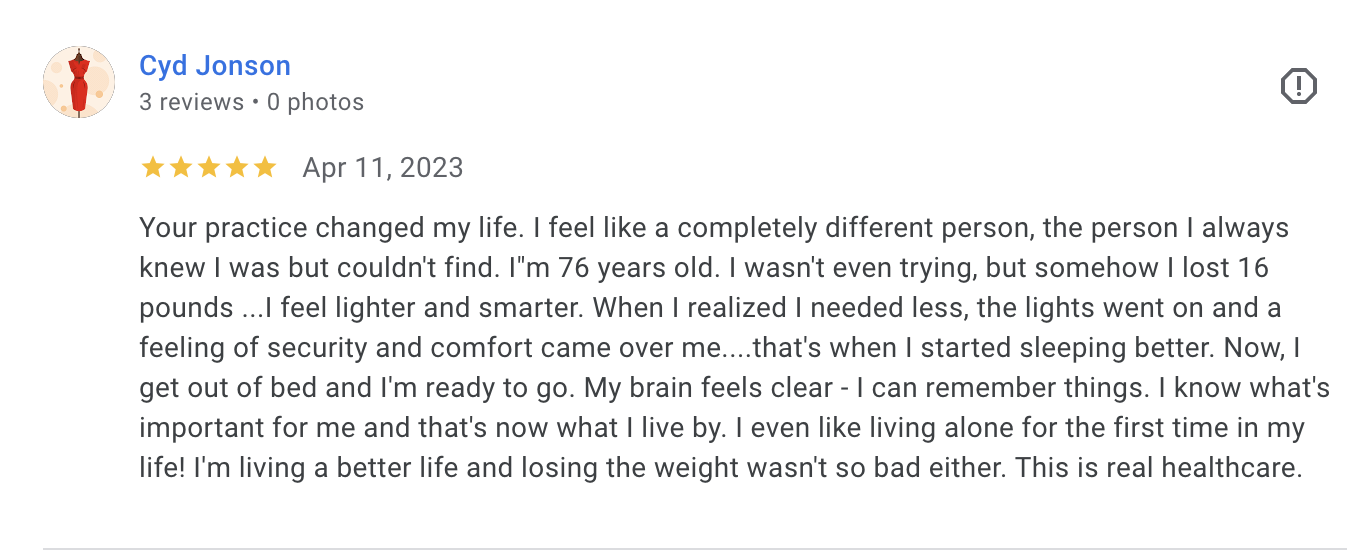
I'm 76 years old. I wasn't even trying, but somehow I lost 16 pounds. My brain feels clear — I can remember things. I'm living a better life. This is real healthcare.
“Methodical, like a sniper rifle.”
I came to Dr. Courtney after two other functional medicine doctors just pumped my gut full of supplements. Her approach was very methodical. We worked first on habits and diet to combat the toxins at a cellular level. Life-changing, to say the least.
“I stopped losing my words.”
For years I was gaining weight and having brain fog — I'd stop mid-sentence trying to find another word. With a family history of Alzheimer's, that terrified me. I took on the commitment to heal my body, and to understand it.
“Seven doctors. Then one blood test.”
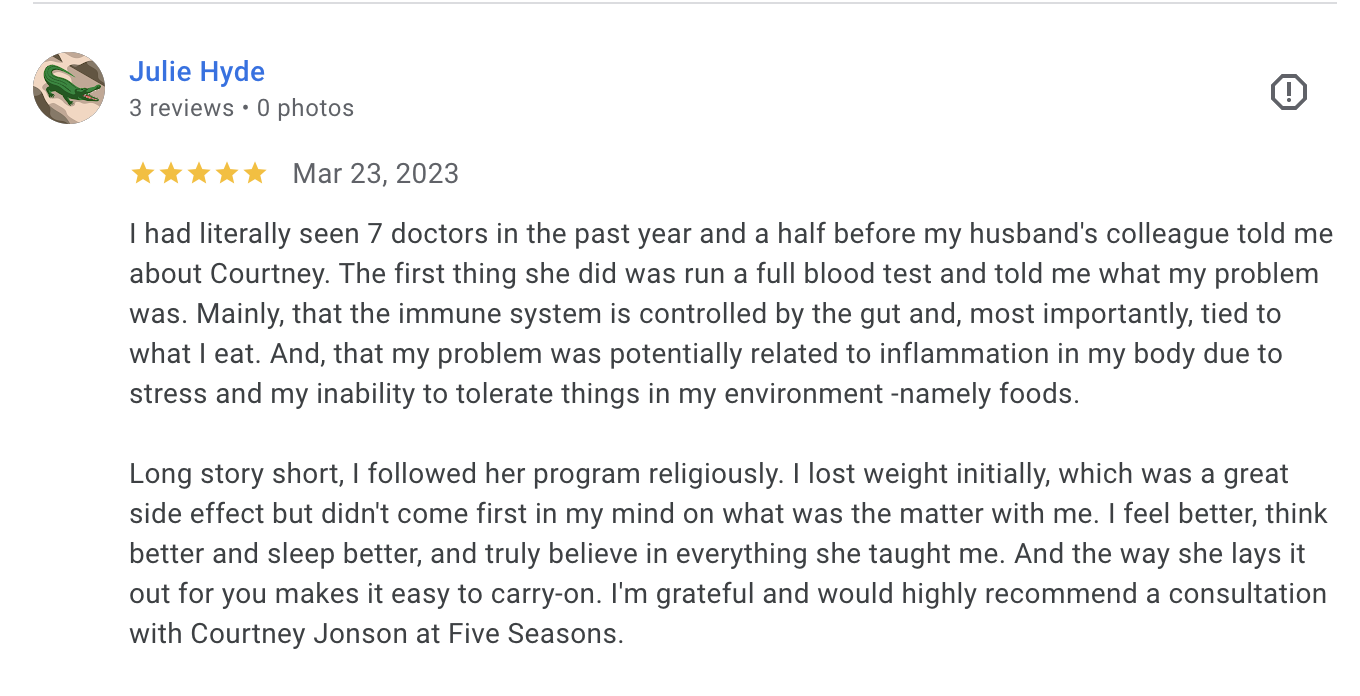
I had seen 7 doctors in a year and a half. The first thing she did was run a full blood panel and tell me what my problem actually was — that my immune system is controlled by my gut, and tied to what I eat. I feel better, think better, sleep better.
“A master health Sherpa.”
In under a year I've shed over 30 pounds after years of trying without success, increased my overall health, and learned significant keys to self-care that have become daily practice.
“I finally have my body back.”
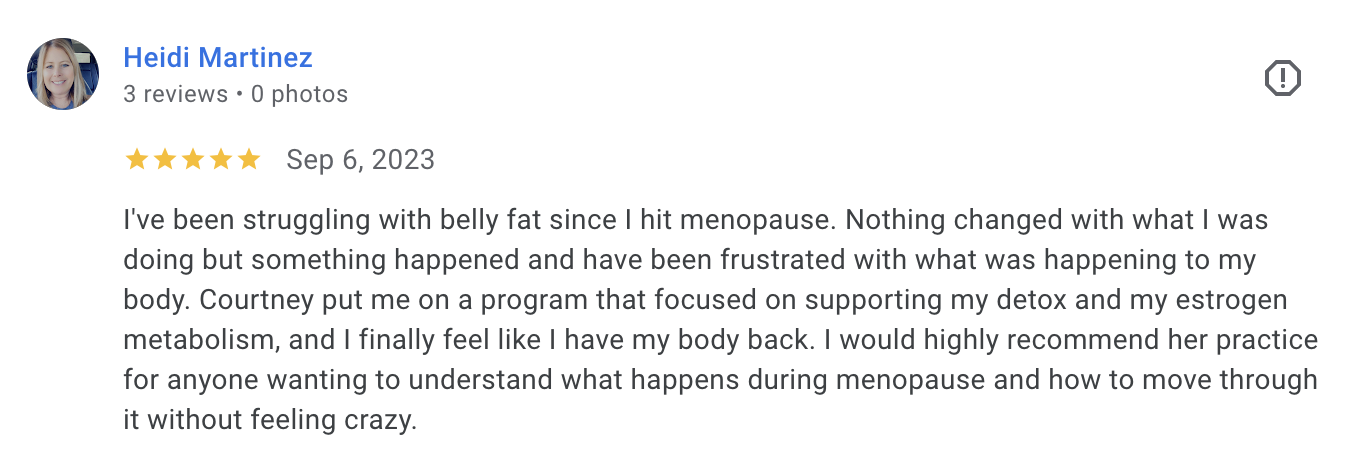
I'd been struggling with belly fat since menopause. Courtney put me on a program focused on supporting my detox and estrogen metabolism. I'd recommend her to anyone wanting to understand menopause without feeling crazy.
“I never post reviews. Not ever.”
I developed eosinophilic esophagitis — tough to treat, tougher to cure. Nine months of steroids didn't solve it. I was skeptical, but everything she said made total sense. She understood the problem immediately.
“Fifty pounds, and less inflammation.”
Working with Courtney changed how my body responds. The weight came off and the rheumatoid inflammation came down alongside it.
“Positively life altering.”
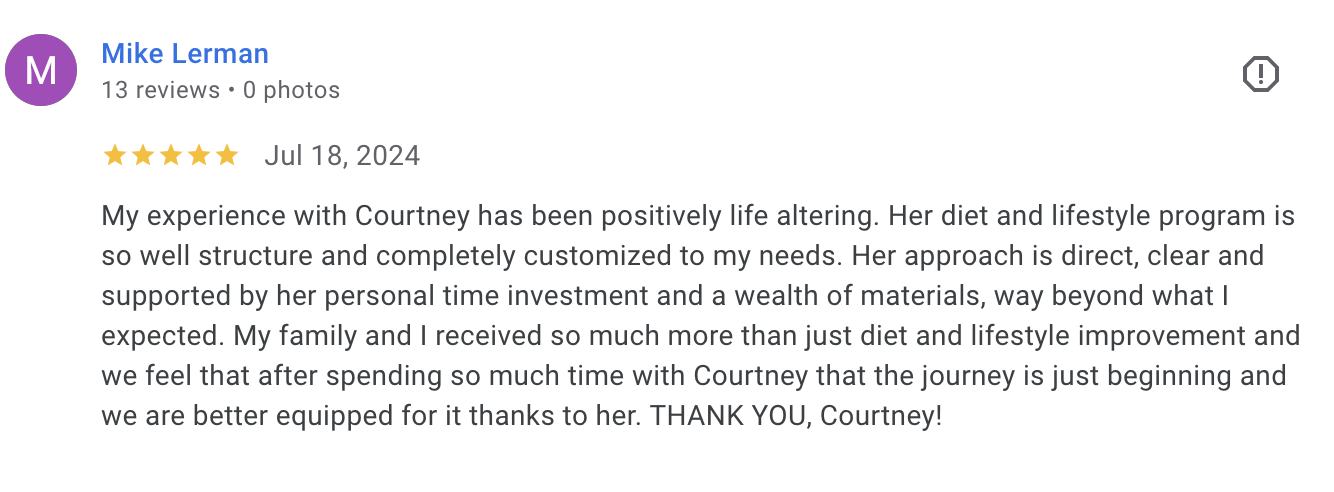
Her program is so well structured and completely customized. Her approach is direct, clear, and supported by her personal time investment and a wealth of materials — way beyond what I expected.
“She fills the void in medicine.”
Dr. Jonson fills a void in the medical profession — someone who looks at the whole system instead of the one number that's flagged.
“Joint pain gone. Heartburn gone. 45 pounds gone.”
It wasn't one fix. Everything moved together once we understood what was actually driving it.
“The chronic UTIs finally stopped.”
Years of antibiotics treated the episode. This was the first time anyone treated the reason it kept coming back.
“My nervous system came back online.”
It was a real journey of nervous system healing. Regulation had to come before anything else could hold.
“Thirty pounds in four months.”
Structured, explained, and sustainable — not a diet I had to white-knuckle.
“We worked through it as a team.”
My husband and I both worked with Courtney on metabolic and autoimmune issues. She treated us as a household, not two charts.
Unedited
Or read them exactly as they were written.
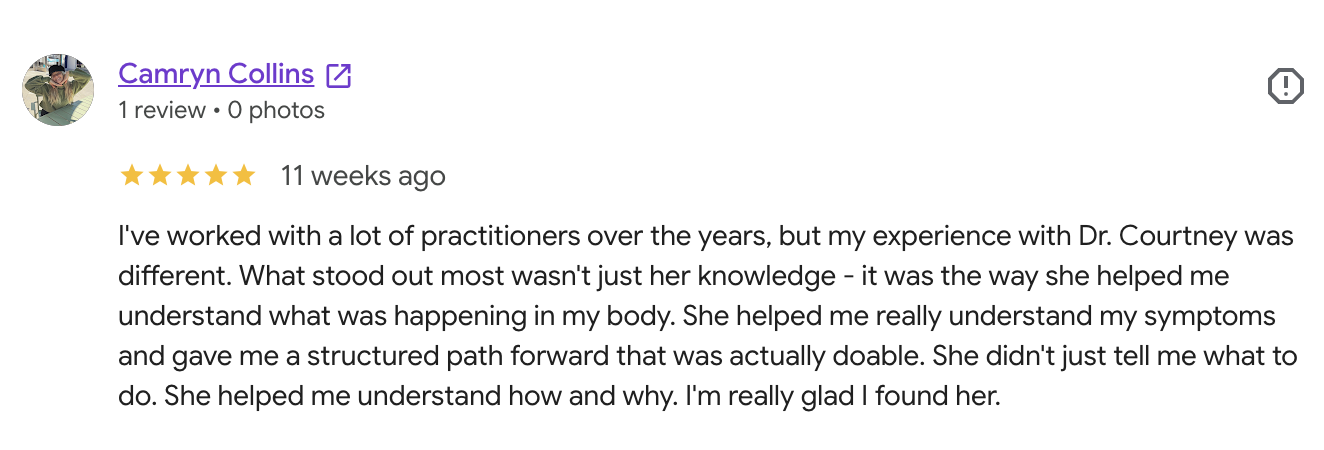
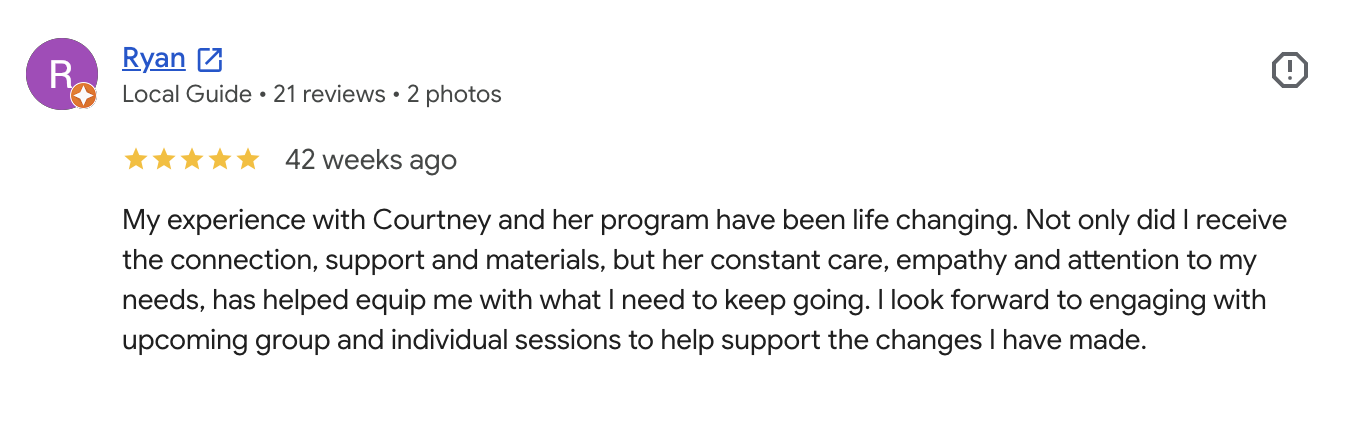
Screenshots pulled straight from Google. Nothing trimmed, nothing rewritten.






Same Person, Different Physiology
The visible part is the last thing to change — and the easiest to see.
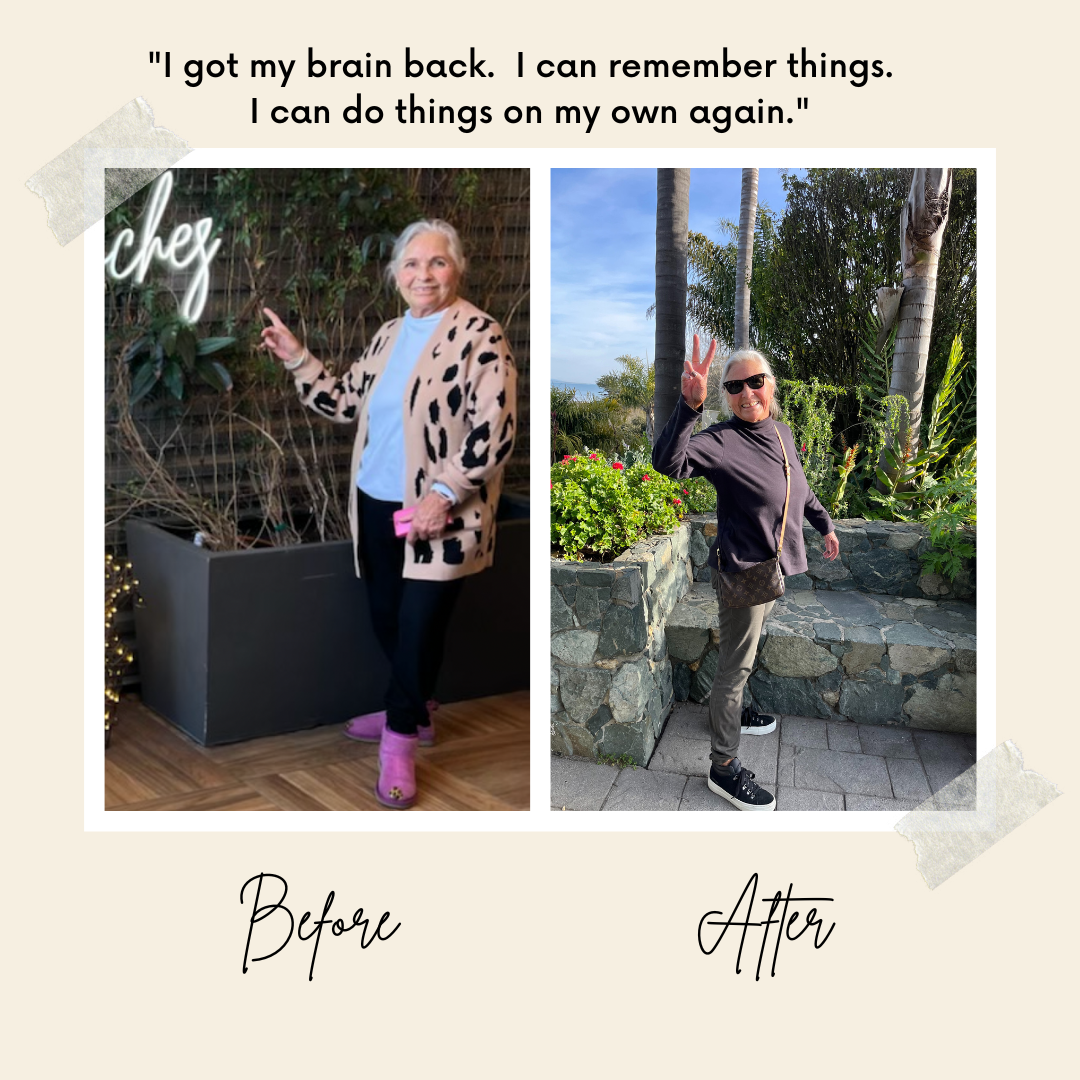
“I got my brain back. I can do things on my own again.”
Cyd
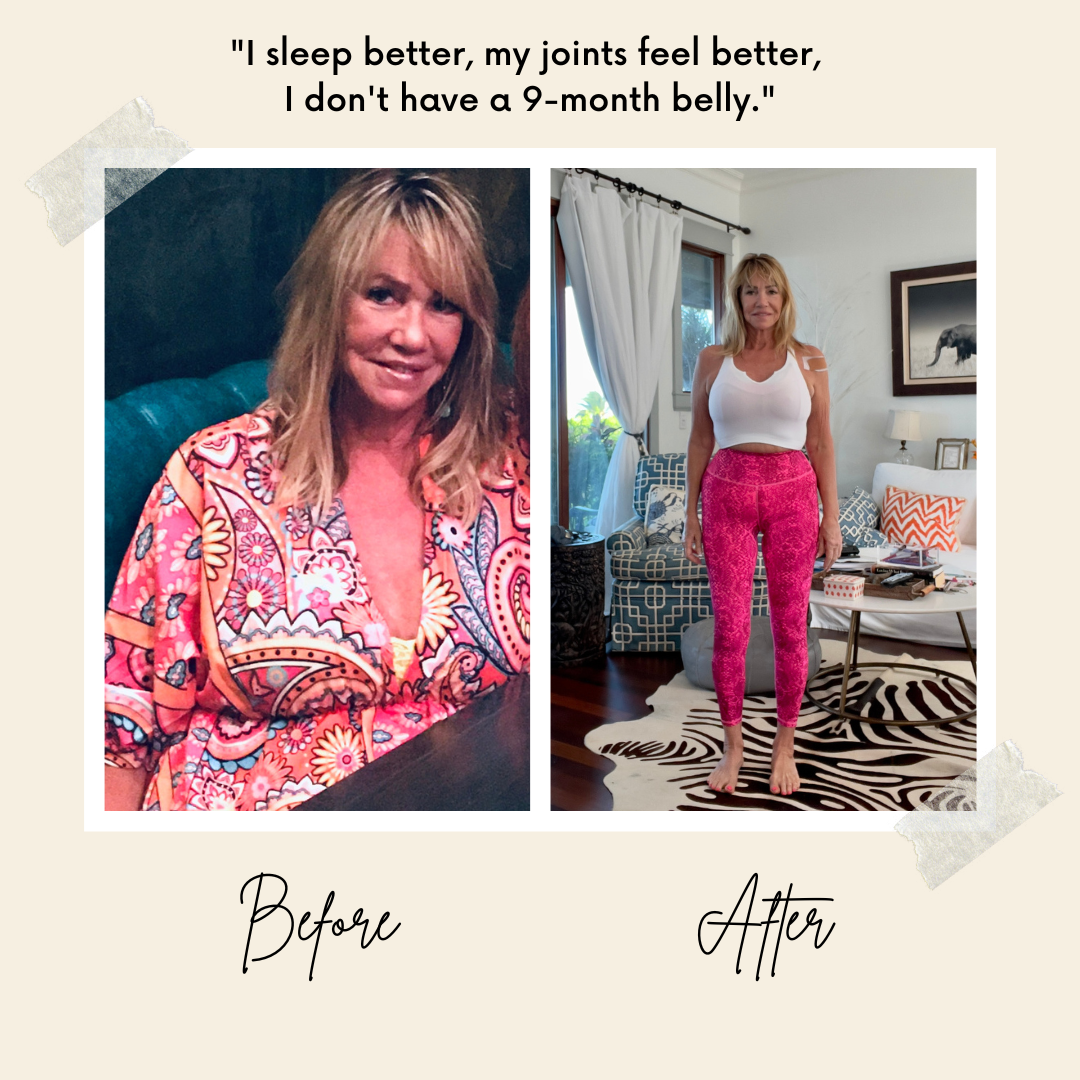
“I sleep better, my joints feel better, I don't have a 9-month belly.”
Melissa

“Food and lifestyle created this. Then food and lifestyle created this.”
Sarah
On Camera
Hear it from the people who lived it.
In her own words
A patient's account
What changed
“I've never felt better or been more fit for everything life throws at me.”Received by text, mid-program
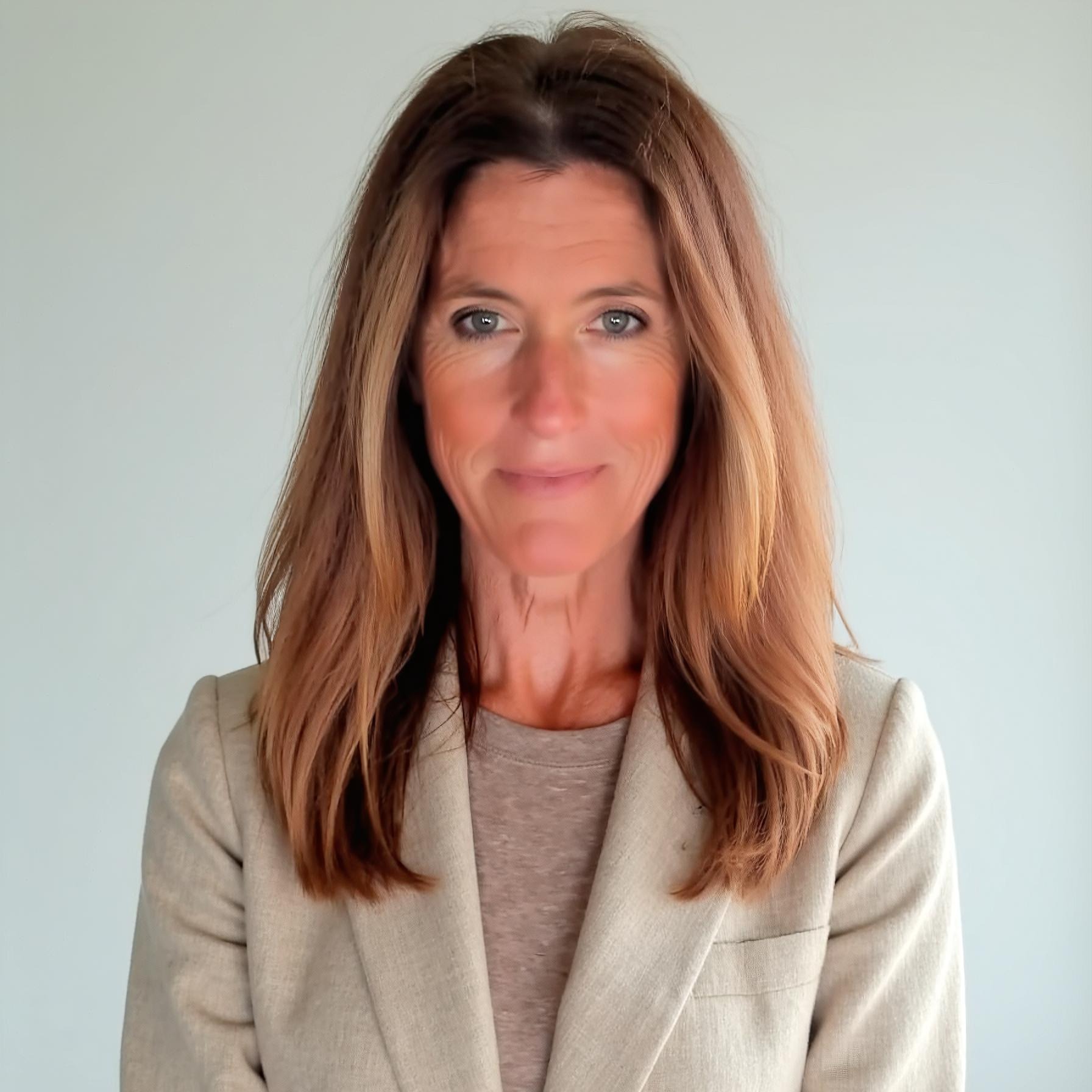
Dr. Courtney Jonson
LAc., PhD, CGP · Founder, Systems That Heal™
Twenty years of clinical practice reading blood chemistry as a pattern. Every Case Review is interpreted and delivered personally — not by a technician, and not by software.
06
Systems Medicine
Systems medicine is about addressing mechanisms, not chasing symptoms. Blood work makes visible which mechanisms are actually at play. Once those mechanisms are visible, the support plan is built to meet them directly — patient education, tracking tools, implementation coaching, medical meal plans, and targeted supplementation, matched to what the pattern actually shows. The mechanism chooses the method.
07
Inside The Practice
How care is delivered after the findings.
Systems That Heal is a teaching practice. The work is delivered through structured materials, not verbal instructions you have to remember — every program comes with the guidebooks, tracking tools, and reference material that make the sequence possible to follow.

01
Patient Education
The physiology behind your plan, written to be understood, not just followed.
02
Tracking Tools
Simple daily and weekly tracking so change is visible rather than guessed at.
03
Implementation Coaching
Structured support while the sequence is being put into practice.
04
Meal Plans & Reference Sheets
Medical meal plans and quick-reference material for the phase you are in.
Your Case Review determines which program fits. The materials come with it.
08
Practical Questions
QWhat if I've already had bloodwork done recently?
Send it. If it is recent and complete enough to read as a pattern, we use it and adjust the panel accordingly. If it has gaps, we fill only what's missing.
QWhat happens after my Report of Findings?
You keep the report and the roadmap. Continuing into care is optional and is decided after the session, based on what the findings actually show.
QDo I need to fast before my blood draw?
Yes — a 10 to 12 hour fast, water permitted. Full instructions are sent with your lab order once you book.
QIs this a diagnosis?
No. A functional reading identifies where your systems are drifting and what is driving it, so it can be addressed before it becomes a diagnosis. If something in your panel warrants conventional workup, you will be told directly and referred.
QWhat if I'm already working with a doctor?
Good. This is designed to sit alongside conventional care, not replace it. Your Report of Findings is written to be shared with any provider on your team.
Begin with a complete reading of your biology.
Total diagnostic value: $1,900+ · Your investment: $580